
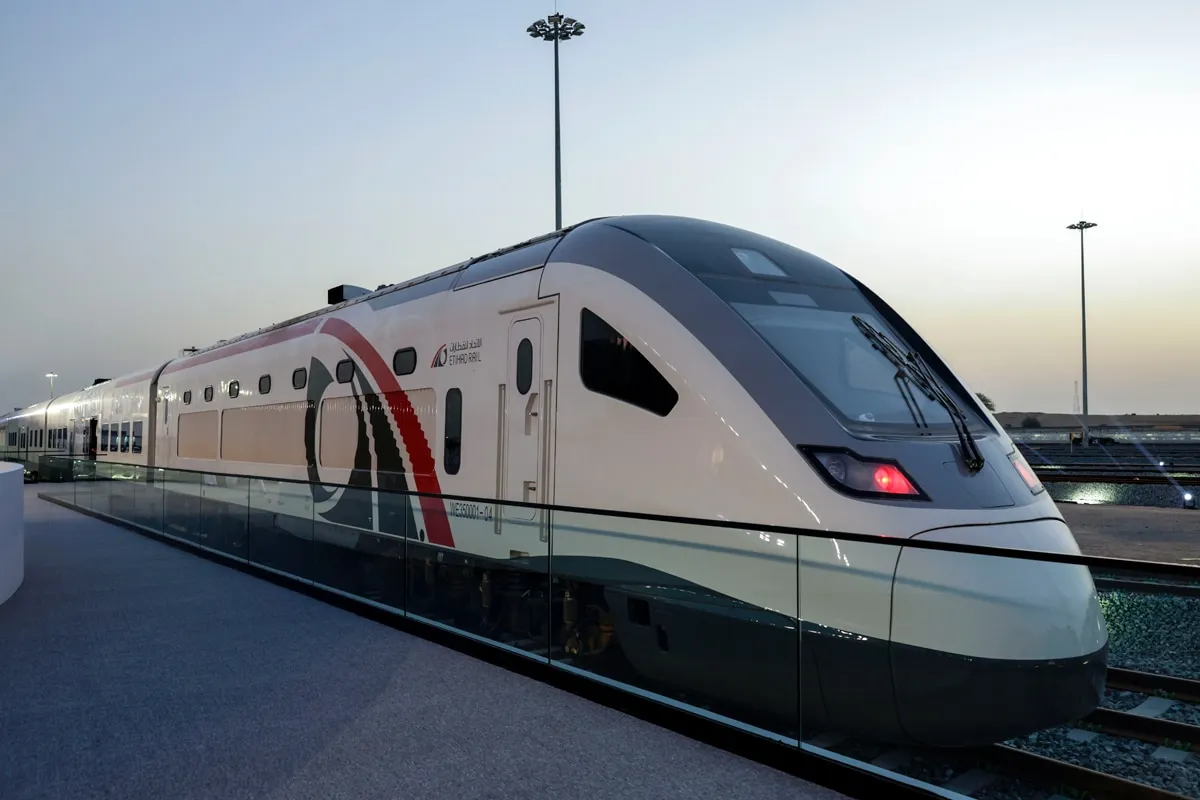
Etihad Rail, the UAE’s ambitious national railway project, is poised to transform the country’s transportation and logistics landscape. Established in 2009, Etihad Rail is designed to build a modern, integrated rail network across the UAE, connecting key cities, ports, and industrial hubs. With an extensive network spanning over 1,200 kilometers from the Saudi Arabian border to Fujairah, Etihad Train aims to improve the efficiency, safety, and sustainability of freight and passenger transport within the UAE and beyond.
Key Features of the Etihad Rail Project
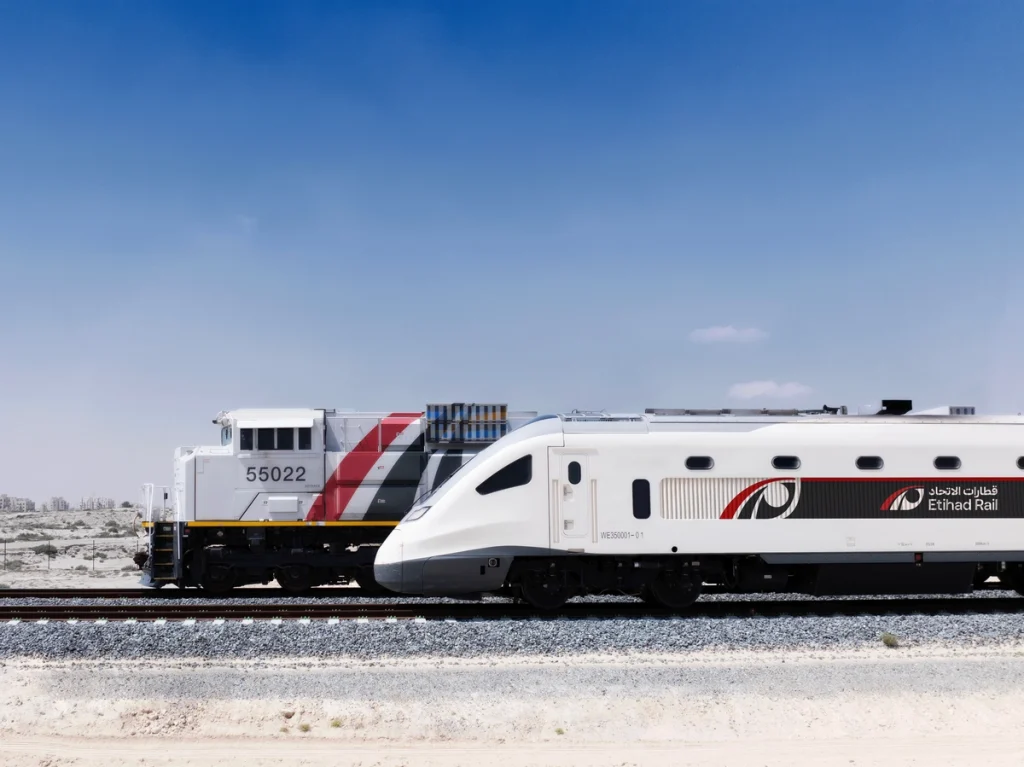
Etihad Rail is being constructed in phases, with the initial phase already operational. The first phase, which was completed in 2016, stretches from Shah to Ruwais in Abu Dhabi, primarily serving the transport of granulated sulfur for the oil and gas industry. Phase two, currently under development, extends the network to cover the rest of the Emirates, connecting major cities, ports, and logistical hubs and enabling smoother connectivity to the GCC countries.
Some of the key features include:
- Freight Efficiency: Etihad Rail is expected to boost freight transport, offering a faster, safer, and more sustainable alternative to traditional trucking. The rail network can reduce traffic congestion on highways and cut carbon emissions, making it an environmentally friendly solution.
- Passenger Services: Beyond freight, Etihad Rail plans to launch a passenger service that will revolutionize intercity travel in the UAE. With speeds up to 200 km/h, passengers will be able to travel from Abu Dhabi to Dubai in just 50 minutes and from Abu Dhabi to Fujairah in under 100 minutes, providing a comfortable and efficient alternative to road travel.
- Safety and Environmental Benefits: Designed with cutting-edge safety standards, Etihad Rail reduces the risk of road accidents associated with truck transport. Additionally, it is an eco-friendly solution that helps in lowering emissions by moving large volumes of freight with minimal environmental impact.
Economic and Social Impact
Etihad Rail is expected to have a transformative impact on the UAE’s economy, creating thousands of jobs and providing new opportunities in logistics, transportation, construction, and tourism. By integrating rail with other modes of transport, Etihad Rail supports the UAE’s broader Vision 2030 goals for economic diversification and sustainable development.
The social benefits are also significant. With a high-speed, reliable rail network, residents and tourists alike can enjoy faster commutes, reduced traffic congestion, and improved accessibility to various parts of the UAE. The rail network will link urban and rural areas, promoting greater regional development and making daily life more convenient for UAE residents.
Future Plans: Connecting the GCC
Etihad Rail is not only focused on internal connectivity but also on regional integration. The rail network is set to become part of the GCC Railway project, which will connect the UAE with Saudi Arabia, Oman, and other Gulf countries. This interconnectivity will facilitate smoother cross-border trade, tourism, and cultural exchange, strengthening ties between the GCC nations.
Conclusion: A Bold Vision for the UAE’s Future
Etihad Rail represents a bold vision for the future of transportation in the UAE. With its focus on sustainability, efficiency, and connectivity, Etihad Rail is setting new standards for mobility and logistics in the region. As the project progresses, it promises to reshape how people and goods move across the UAE and the Gulf, creating a modern, efficient, and eco-friendly transportation network for generations to come.
Etihad Rail: Unlocking New Opportunities for Nepalese in the UAE
Etihad Rail opens exciting opportunities for Nepalese in the UAE, offering jobs in construction, railway operations, and logistics, which aligns with the growing need for skilled and technical roles. The rail network’s expansion will improve travel times across Emirates, enhancing mobility for work and community connections while creating better work-life balance. For Nepali entrepreneurs, increased foot traffic near stations offers business growth potential, and the expanded logistics network provides avenues for trade, including exporting Nepali goods. Additionally, the project fosters skill development and career advancement, making Etihad Train a promising pathway for Nepalis to build stronger careers and connections in the UAE.